ZERO WORLD RESEARCHLiterature database on amino acids & organic acids

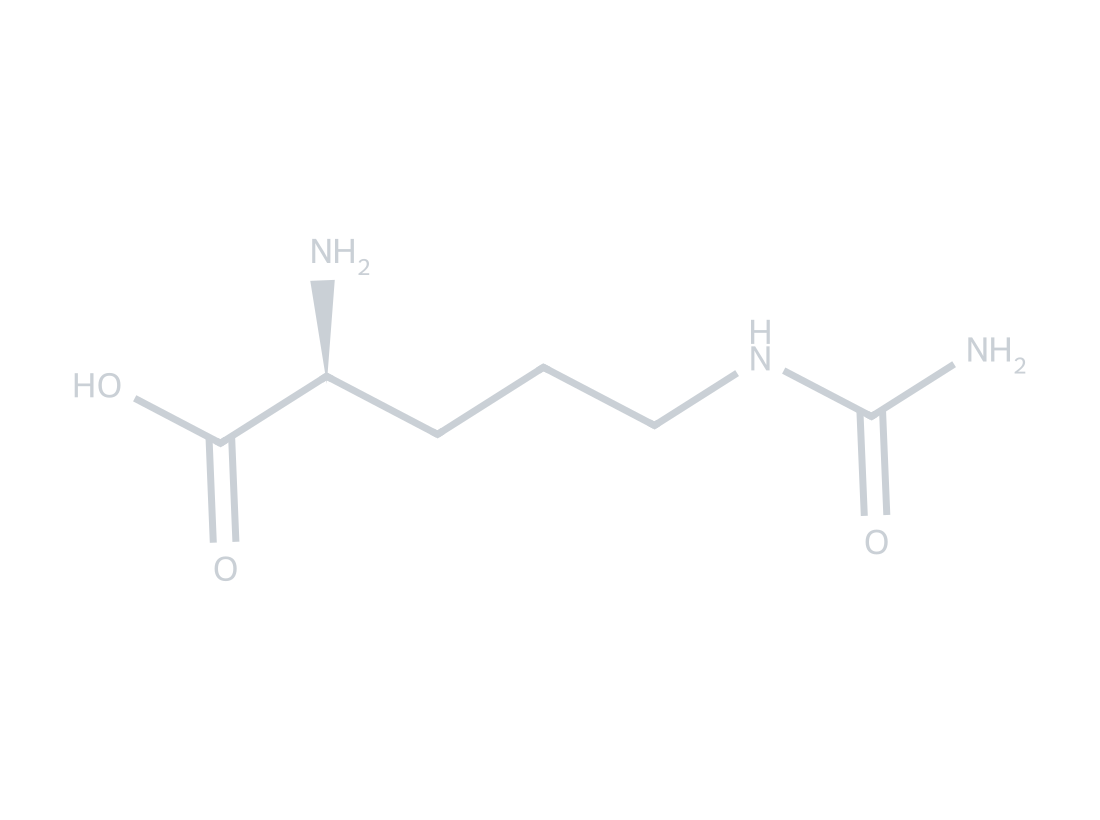
Citrulline Inhibits Clostridioides difficile Infection With Anti-inflammatory Effects.

Cellular and molecular gastroenterology and hepatology2025Xie Y, Irwin S, Nelson B, et al.
Study designOther primary literature
SubjectHuman & animal

Abstract

Background & aims: Clostridioides difficile infection (CDI) causes colitis and diarrhea. C. difficile bacterium produces toxins A and B, which cause intestinal inflammation. A metabolomics analysis discovered fecal metabolites with anti-inflammatory effects in CDI. We aimed to identify an anti-CDI metabolite that can inhibit CDI-mediated colitis and prevent recurrence.Methods: Fresh human colonic tissues and primary human cells were used to determine metabolite effects. Humanized C. difficile-infected HuCD34-NCG mice and antibiotics-treated human gut microbiota-treated (ABX + HGM) hamsters were used to simulate the human environment.Results: High-throughput screening and fecal metabolomics analysis identified anti-inflammatory metabolites. Compared with other tested metabolites, citrulline preserved the mucosal integrity of toxin-exposed fresh human colonic tissues with reduced macrophage inflammatory protein 1 alpha (MIP-1a) and increased interleukin-10 (IL-10) expression. Oral citrulline treatment alleviated cecal inflammation in hamsters infected with C. difficile ribotype 027. This was accomplished by the augmented expression of cecal IL-10 and the diminished level of cecal MIP-1a. Citrulline and vancomycin synergistically prevented recurrence in the infected ABX + HGM hamsters. In C57BL/6J mice infected with C. difficile VPI10463, citrulline ameliorated colitis by reducing colonic Ccl3 mRNA expression. In immunologically humanized HuCD34-NCG mice infected with toxin B-expressing C. difficile ribotype 017, citrulline ameliorated colitis with increased human IL-10 expression in colonic macrophages. Citrulline suppressed MIP-1a secretion and GSK3a/b dephosphorylation in the toxin A-exposed human colonic epithelial cells and promoted IL-10 expression in toxin B-exposed human macrophages and heat shock protein 27 phosphorylation.Conclusion: Citrulline exerts anti-inflammatory effects in the intestines against C. difficile toxins and inhibits CDI recurrence in mice and hamsters.

MeSH

AnimalsAnti-Bacterial AgentsAnti-Inflammatory AgentsCitrullineClostridioides difficileClostridium InfectionsColitisColonCricetinaeDisease Models, AnimalFecesGastrointestinal MicrobiomeHumansInterleukin-10Intestinal MucosaMaleMiceMice, Inbred C57BLVancomycin

DOI 10.1016/j.jcmgh.2025.101474

PMID 39923847

View source →