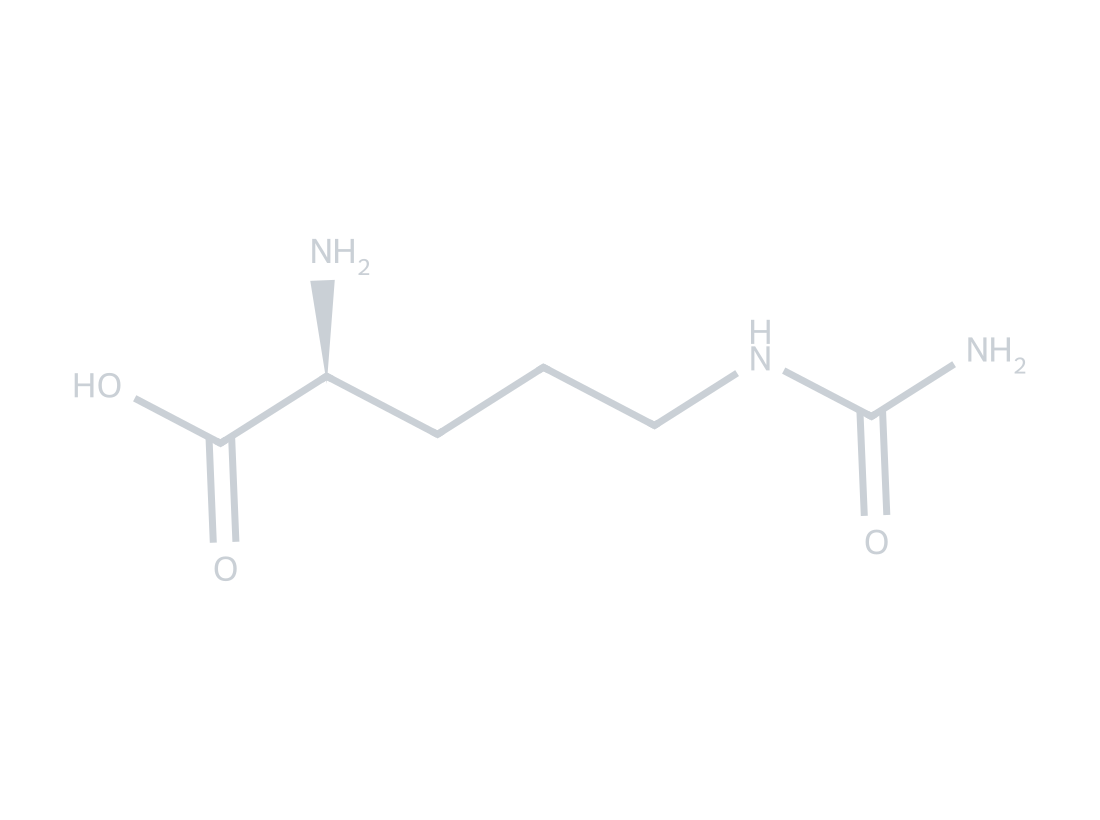
The Effects of L-Citrulline on the Apparent Digestion and Metabolism of Nutrients, Blood Hormone Levels, Amino Acid Metabolism and the Diversity of Faecal Microbiota in Mares in the Later Stage of Pregnancy.
抄録
This study aimed to investigate the impact of dietary L-citrulline supplementation on the health of mares during late gestation. Thirty-two healthy mares in late pregnancy were randomly assigned to four groups: a control group (CON, 0 g/d) and three treatment groups receiving 15, 30, and 45 g/d/head of L-citrulline, respectively. The trial spanned 72 days, including a 12-day adaptation phase and a 60-day formal feeding period. A fixed daily feeding amount of 11.2 kg/head was provided, ensuring complete consumption and consistent dry matter intake across all groups. Results demonstrated that supplementation with 30 g/d/head of L-citrulline significantly improved the apparent digestibility of crude protein and nitrogen metabolism rate (p < 0.05), while notably increasing plasma superoxide dismutase (SOD) activity (p < 0.01) and reducing plasma malondialdehyde (MDA) concentration by 10.53% (p < 0.01). Furthermore, mares receiving 30 g/d of L-citrulline showed a 14.81% increase in plasma estradiol (E2) concentration (p < 0.01). Urinary concentrations of E2, estrone sulfate (ESS), and 17α-dihydroequilin sulfate (17α-DHEQS) were also significantly elevated (p < 0.05). This supplementation also enhanced plasma amino acid levels related to the urea cycle and improved the diversity of fecal microbiota, increasing the abundance of beneficial bacteria. A multi-indicator scoring system identified 30 g/d as the optimal supplemental dose of L-citrulline. These findings suggest that 30 g/d of L-citrulline may act as a nutritional regulator, offering valuable insights for enhancing the physiological and metabolic health of mares during late gestation.
DOI 10.3390/life16050744
PMID 42195300
原文・出典を見る →