ZERO WORLD RESEARCHアミノ酸・有機酸の学術文献データベース

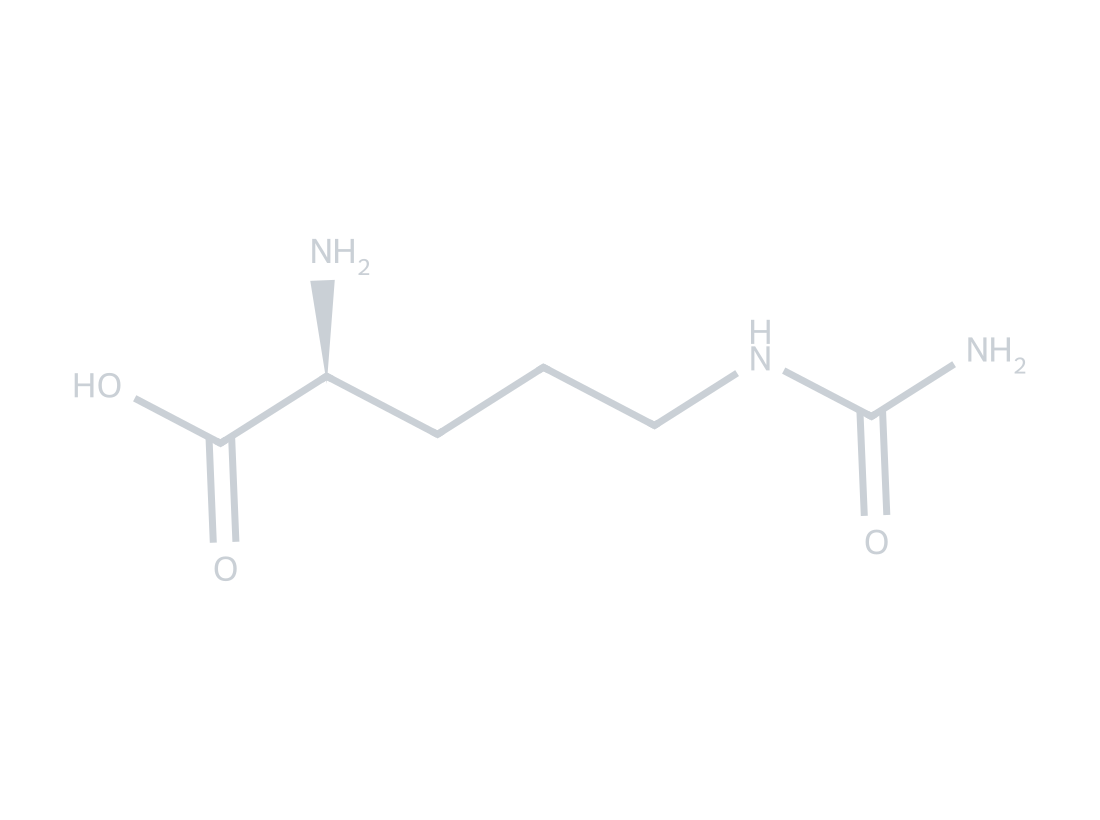
Neonatal Citrulline Supplementation and Later Exposure to a High Fructose Diet in Rats Born with a Low Birth Weight: A Preliminary Report.

Nutrients2017Tran NT, Alexandre-Gouabau MC, Pagniez A, et al.
研究デザインその他の原著論文
対象動物

抄録

A low birth weight (LBW) leads to a higher risk of metabolic syndrome in adulthood. Literature suggests that citrulline supplementation in adulthood prevents the effect of a high fructose diet on energy metabolism. Whether neonatal citrulline supplementation would alter early growth or energy metabolism in the long-term in rats with LBW is unknown. LBW pups born from dams fed a low (4%) protein diet, were nursed by normally-fed dams and received isonitrogenous supplements of either l-citrulline or l-alanine by gavage from the sixth day of life until weaning, and were subsequently exposed to 10%-fructose in drinking water from weaning to 90 days of age. The oral glucose tolerance was tested (OGTT) at 70 days of age, and rats were sacrificed at 90 days of age. Pre-weaning citrulline supplementation failed to alter the growth trajectory, OGTT, plasma triglycerides, or fat mass accretion in adulthood; yet, it was associated with increased liver triglycerides, decreased liver total cholesterol, and a distinct liver lipidomic profile that may result in a predisposition to liver disease. We conclude that pre-weaning supplementation with citrulline does not impact early growth, but might impact liver fat metabolism in adulthood upon exposure to a high fructose diet.

MeSH

AnimalsAnimals, NewbornBirth WeightCitrullineDiet, Carbohydrate LoadingDiet, Protein-RestrictedDietary SupplementsFemaleFetal Growth RetardationFructoseHepatic InsufficiencyLactationLipid MetabolismLiverMaleMaternal Nutritional Physiological PhenomenaMetabolic SyndromePilot ProjectsPregnancyRandom AllocationRats, Sprague-DawleyWeaning

DOI 10.3390/nu9040375

PMID 28398243

原文・出典を見る →